Through personal stories and primary sources, the Draw Me the History of the Jews in the Netherlands during the Holocaust pedagogical project invites students to analyze how the rights and freedoms of Jews were violated in the Netherlands during the 1940s.
This project guides students as they create a history-based graphic novel about the experiences of Jews in the Netherlands during the Holocaust that illustrates the impact of antisemitism and anti-Jewish measures on individuals. Students will analyze historical documents and practice using the historical method.
Download the Draw me the story of the Jews in the Netherlands during the Holocaust pedagogical guide
The Draw me the story of the Jews in the Netherlands during the Holocaust pedagogical activity is available online free of charge. Click on the download links at the bottom of this page for the activity that corresponds to your province’s curriculum.
Curriculum links
- Social issues: Recognition of rights and freedoms
- Other: Movement to deny the Jews of Europe their freedoms and civil rights
- Cultural benchmark: Denial of rights and freedoms
Quebec teachers
A print version of this activity is available free of charge* for Quebec teachers by filling out the pre-reservation form. You will receive:
- The Draw me the story of the Jews in the Netherlands during the Holocaust activity
- A Brief History of the Holocaust Reference Guide
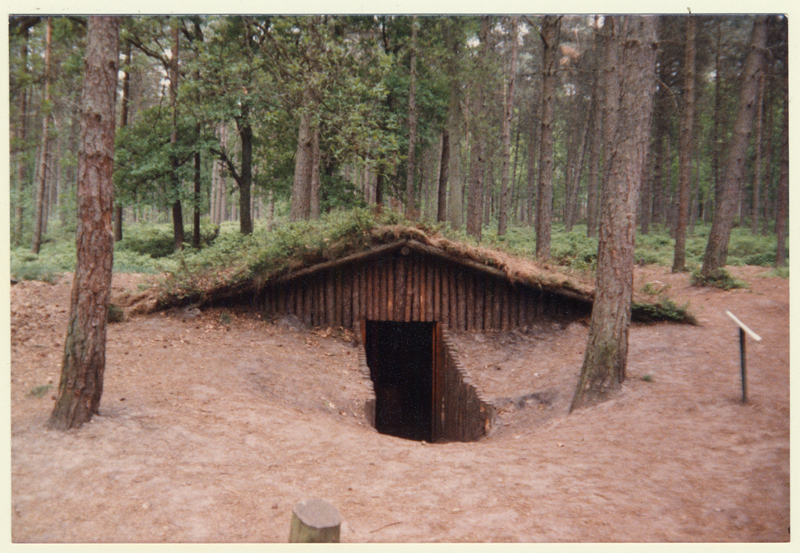
Photo of the secret underground village of Nunspeet, where many Jews, and Russian or English soldiers hid.
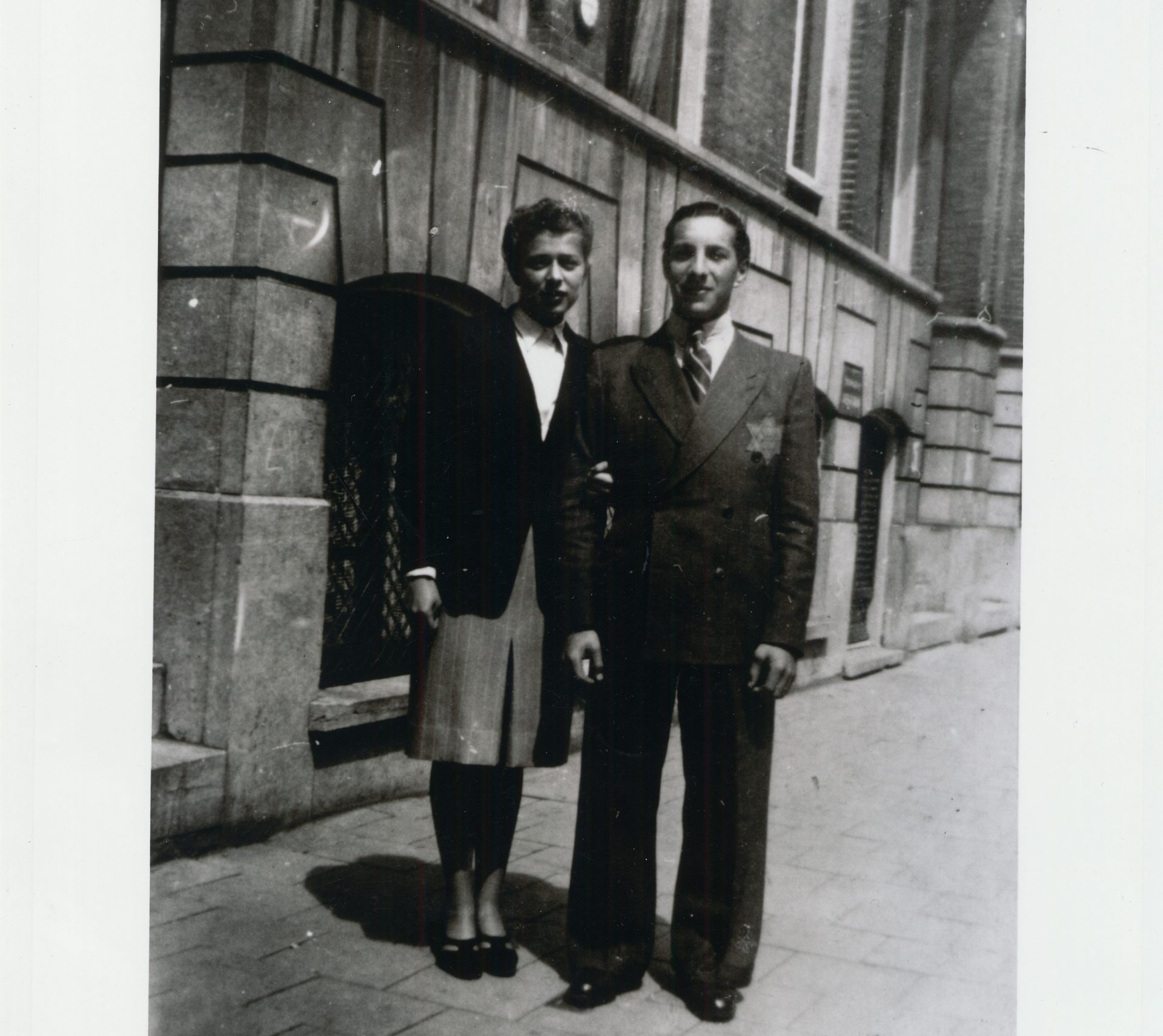
Samuel Schryver and his fiancée Jetty de Leeuw in Amsterdam’s Jewish quarter in 1943. The yellow star is visible on the young man’s suit.
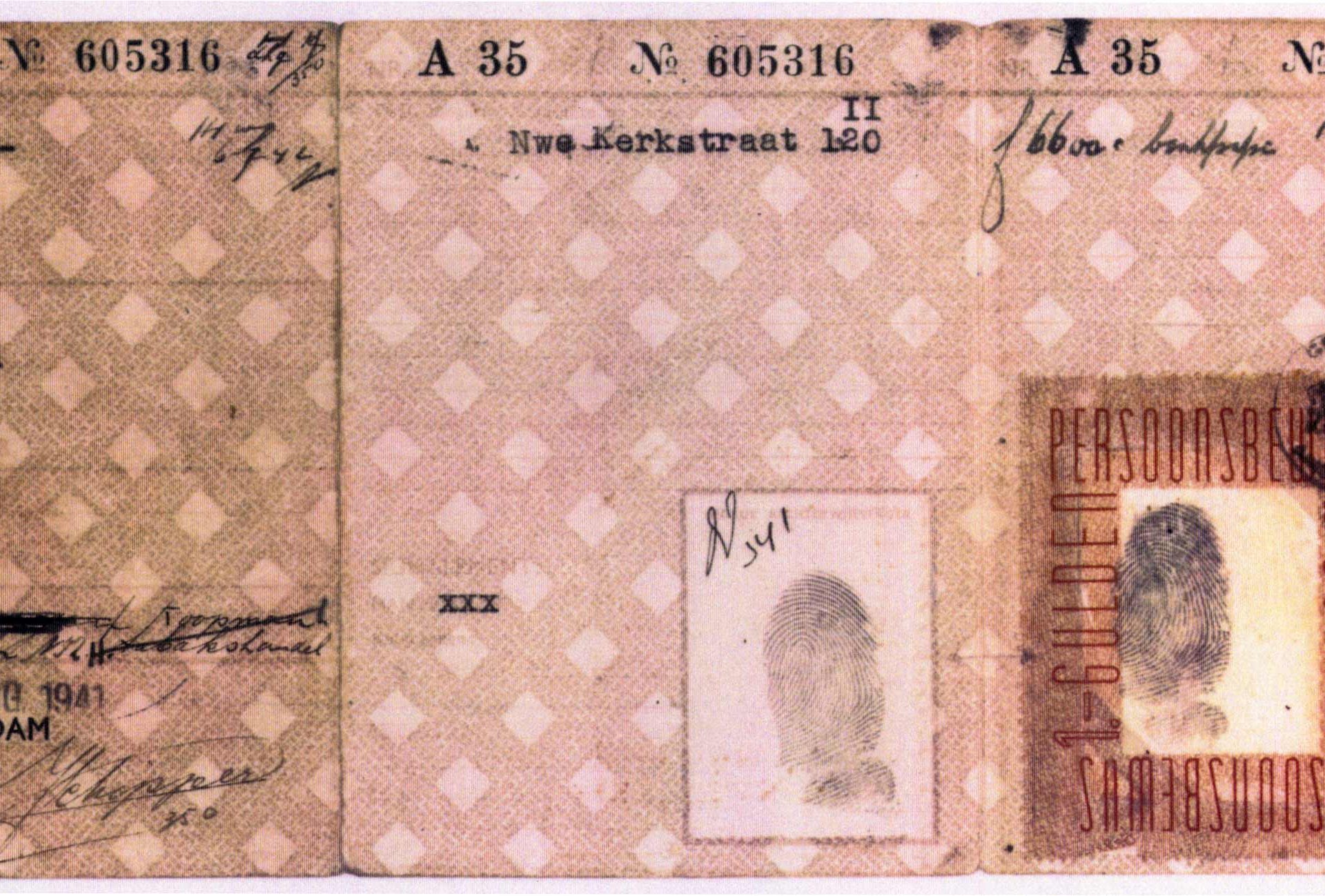
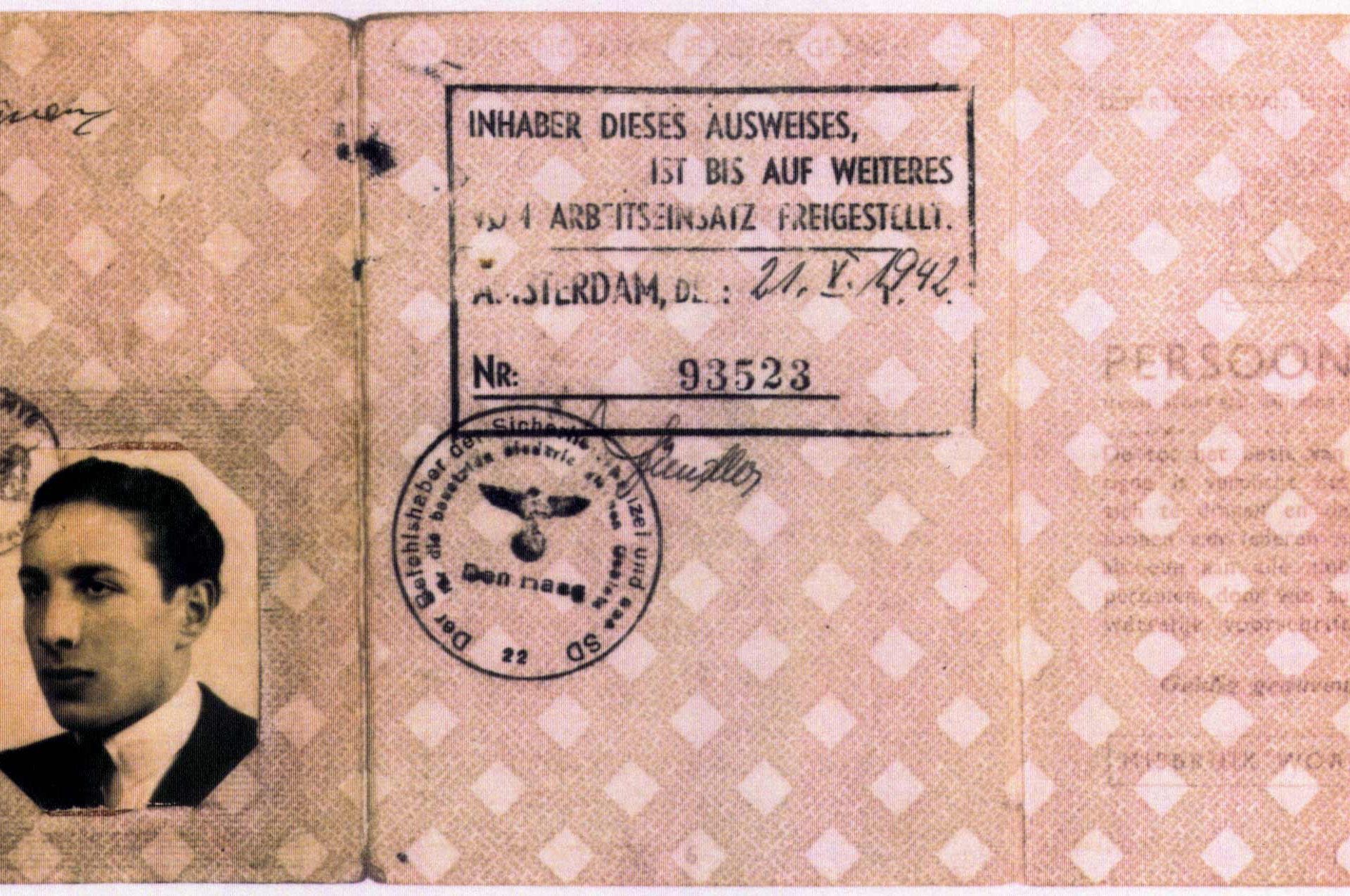
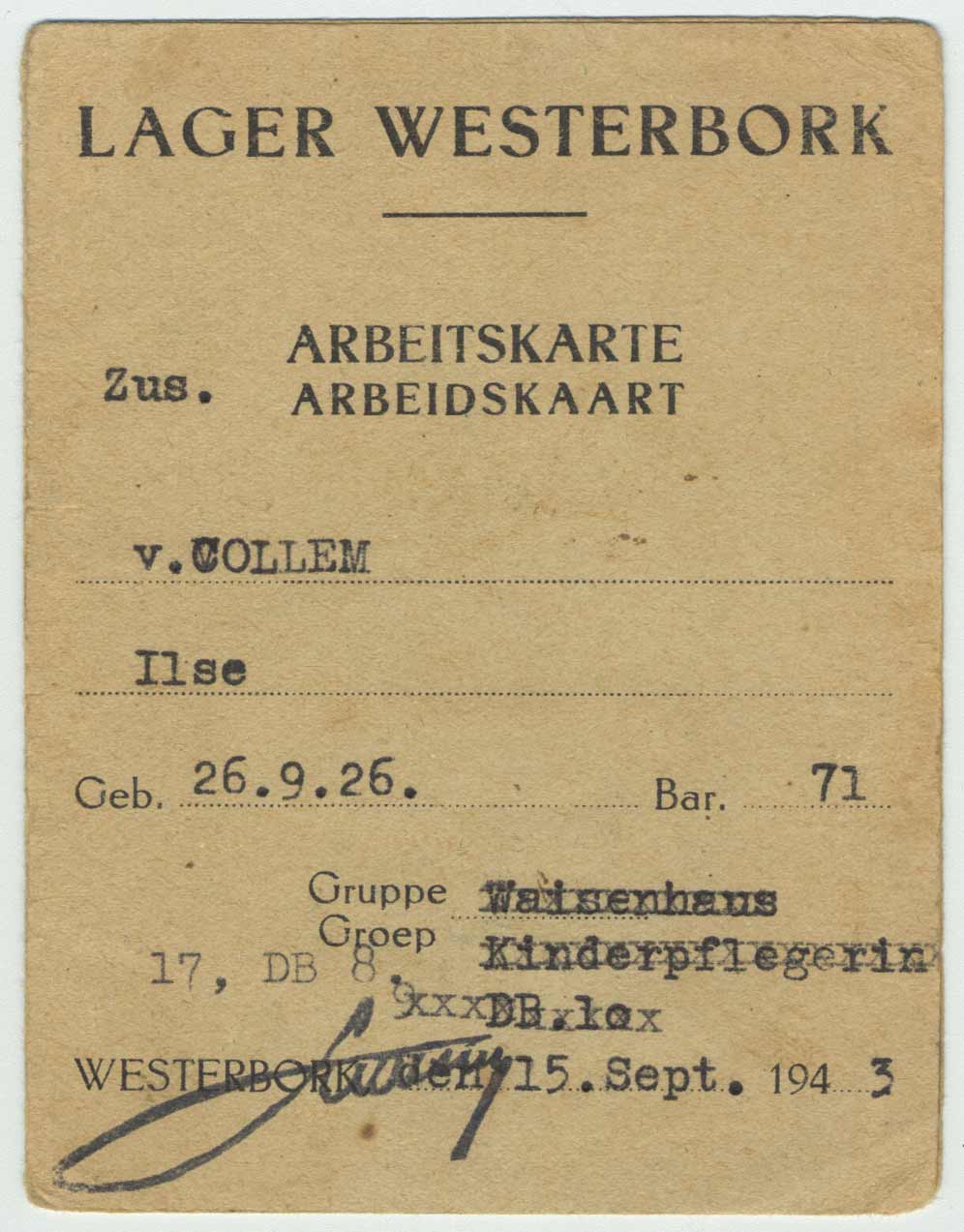
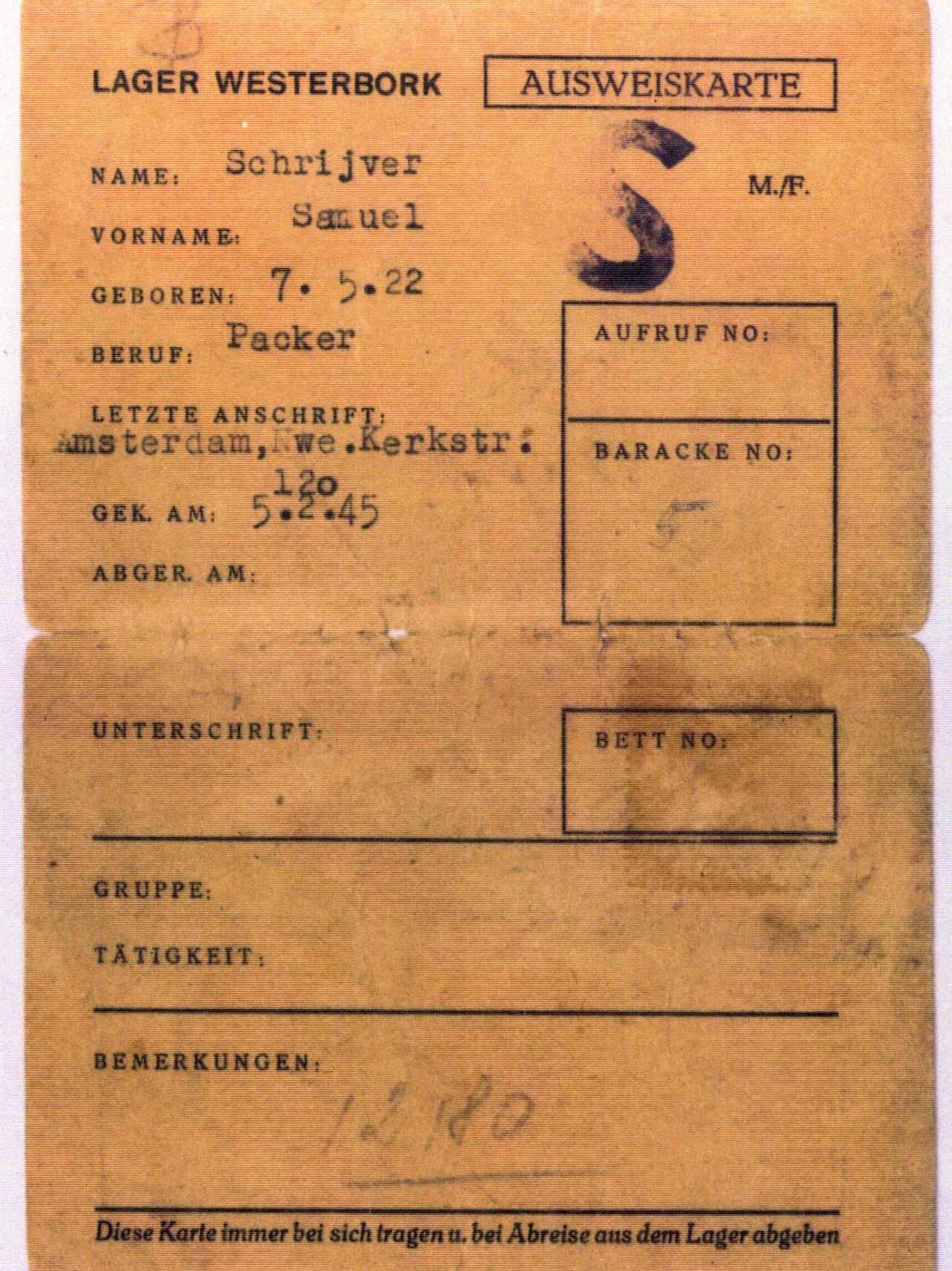
Identity card of Samuel Schryver in Westerbork. The “S” indicates that he was imprisoned for having committed a crime (common law, penal prisoner). Schryver was thus identified because he resisted the authorities.
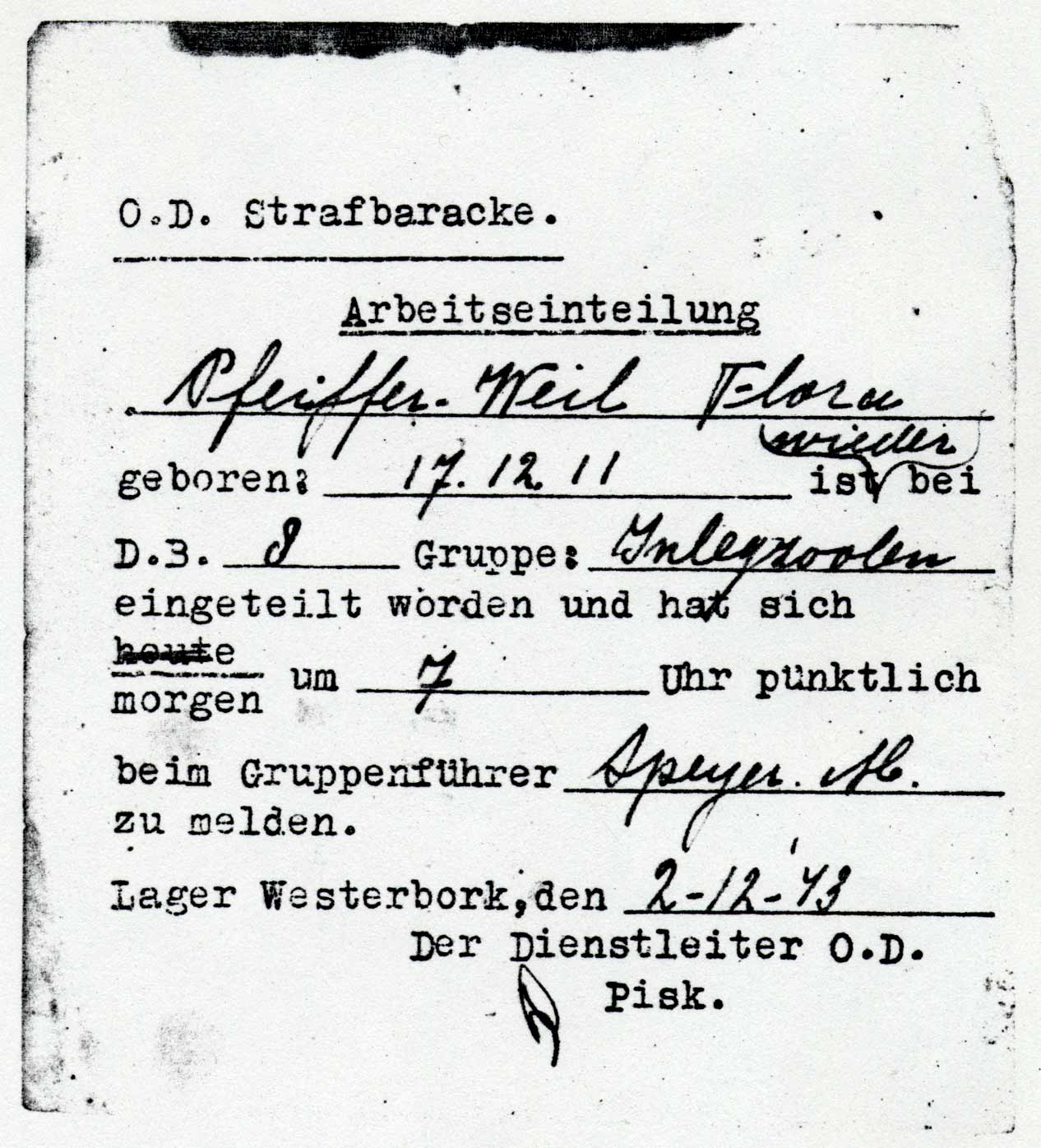
Work permit for Flora Pfeiffer to work in the punishment blocks, dated December 2, 1943. Jews capable of work had a better chance of staying alive.
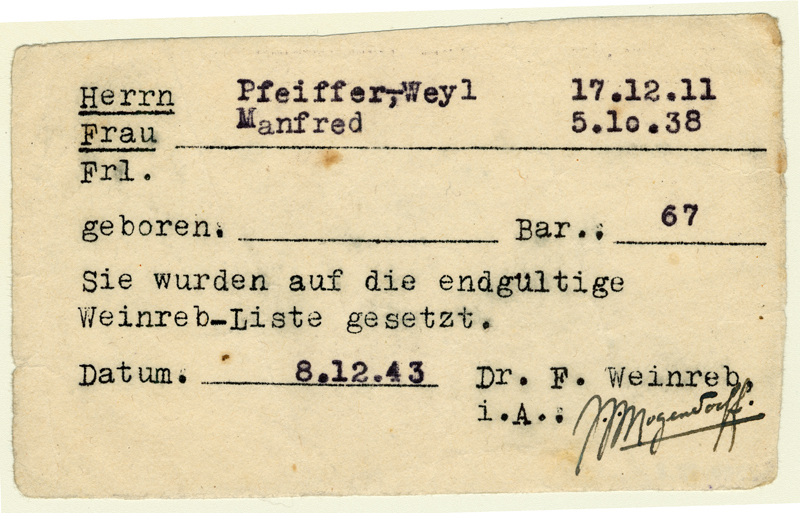
Form certifying that Fred Pfeiffer is on the exemption list, dated December 8, 1943. Certain Jews could avoid deportation, if only for a short time, if they were “part” Jewish, had converted to Christianity, or held an important function in society (e.g. Jewish Council, wartime economy).
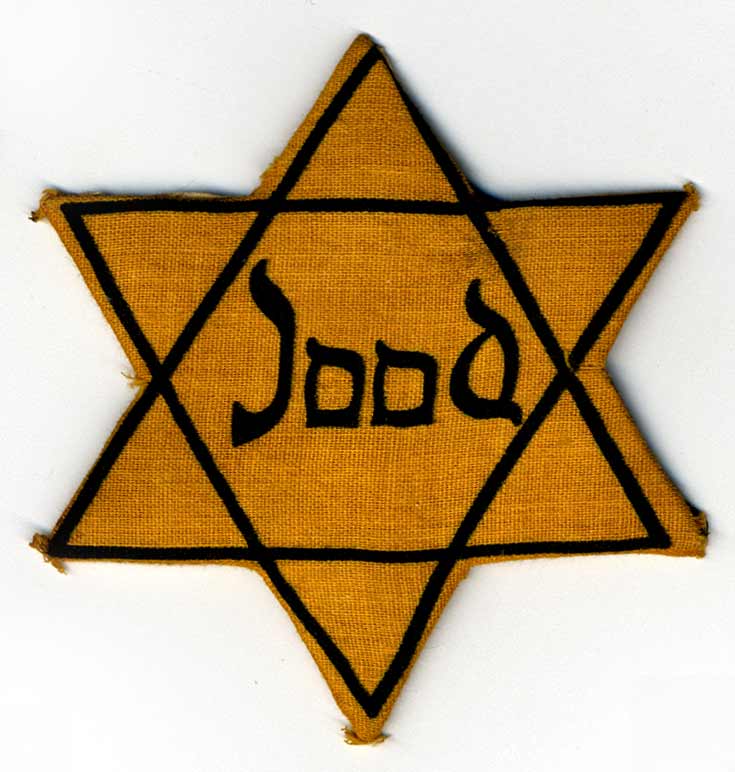
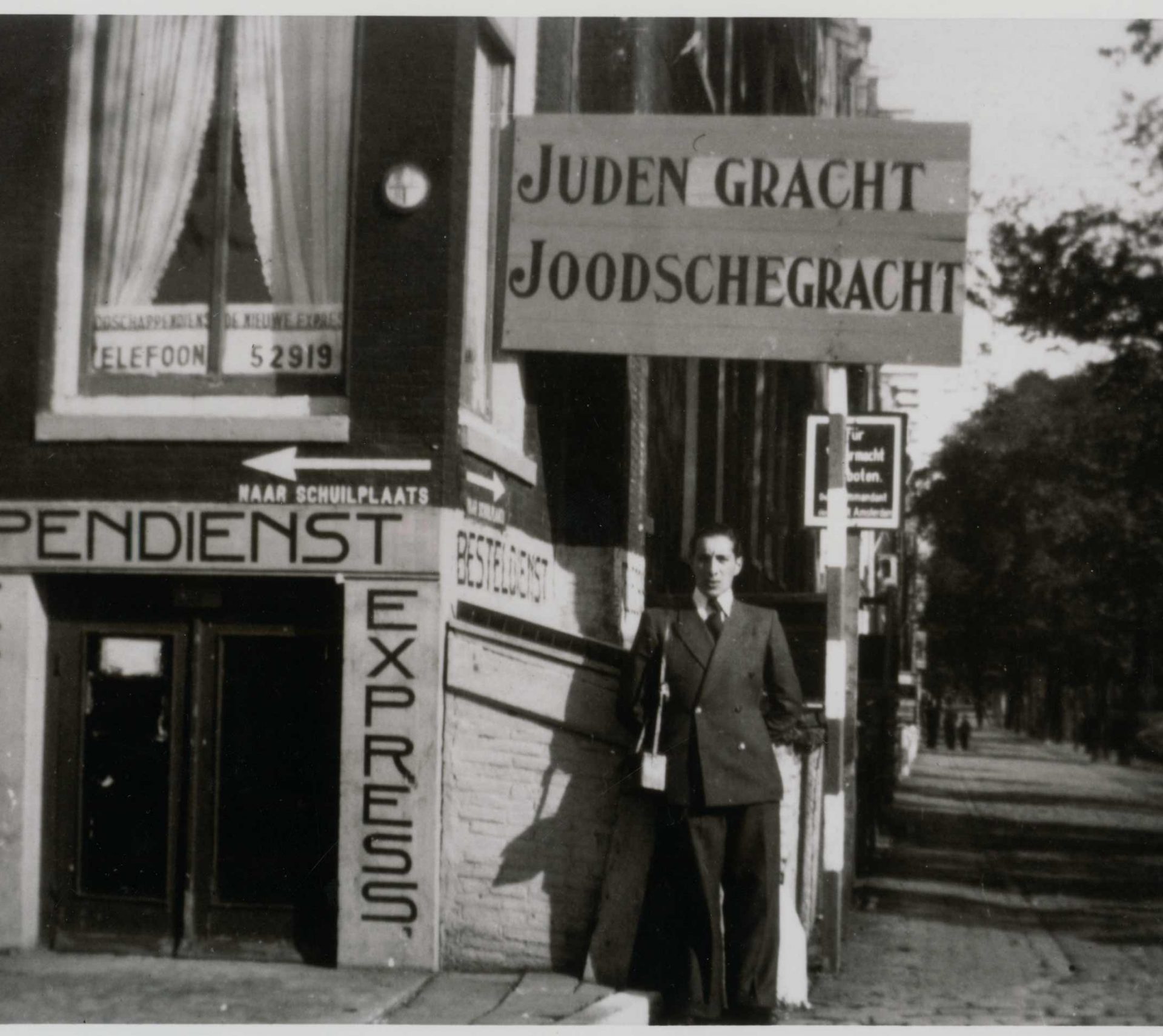
Sam Schryver posing under the signs that indicate the boundaries of the Jewish quarter. They read “Jewish Canal”, a reference to the geography of Amsterdam, traversed by canals.
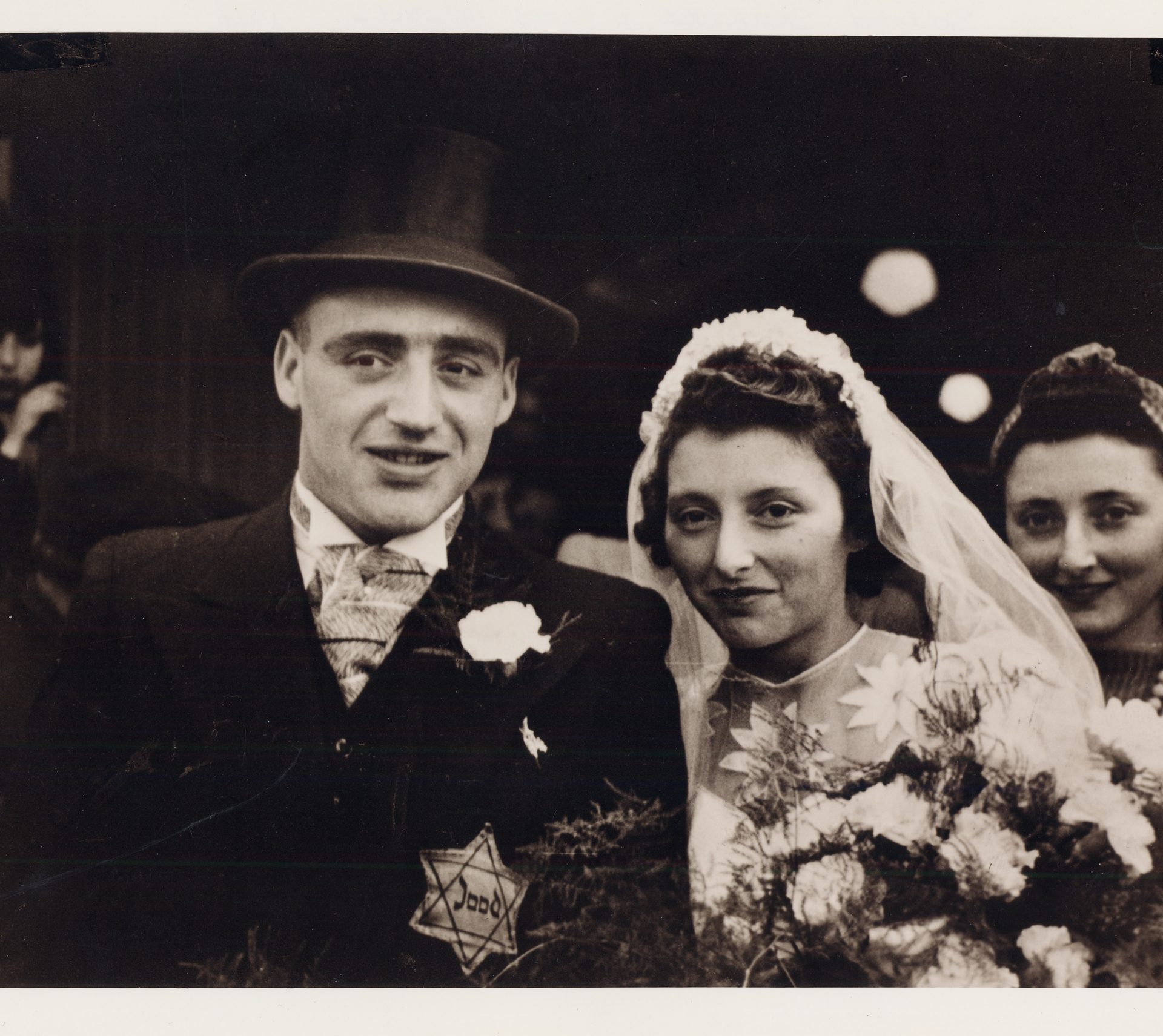
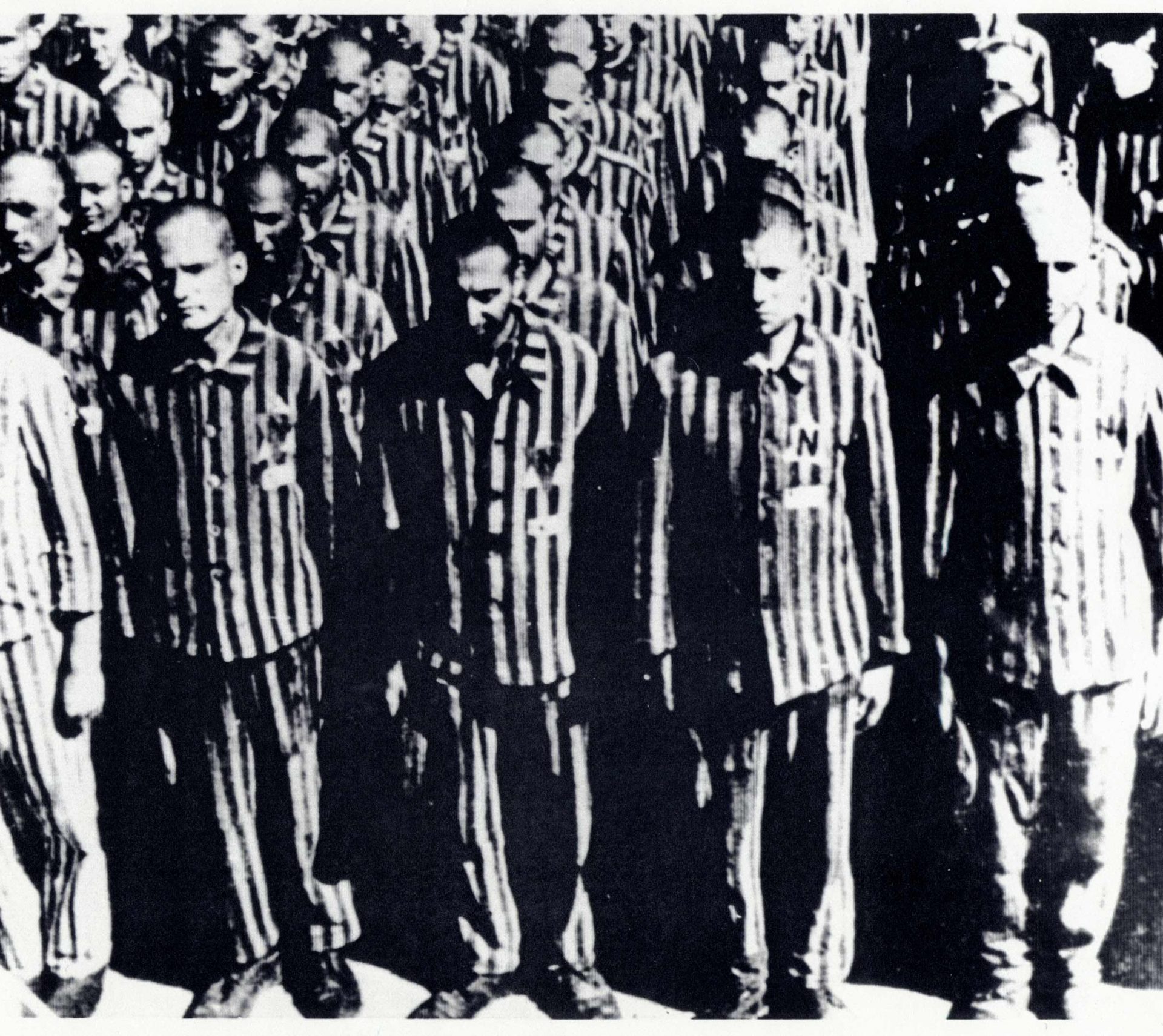
Photo of Dutch Jews standing during roll call at Buchenwald concentration camp, February 28, 1941.
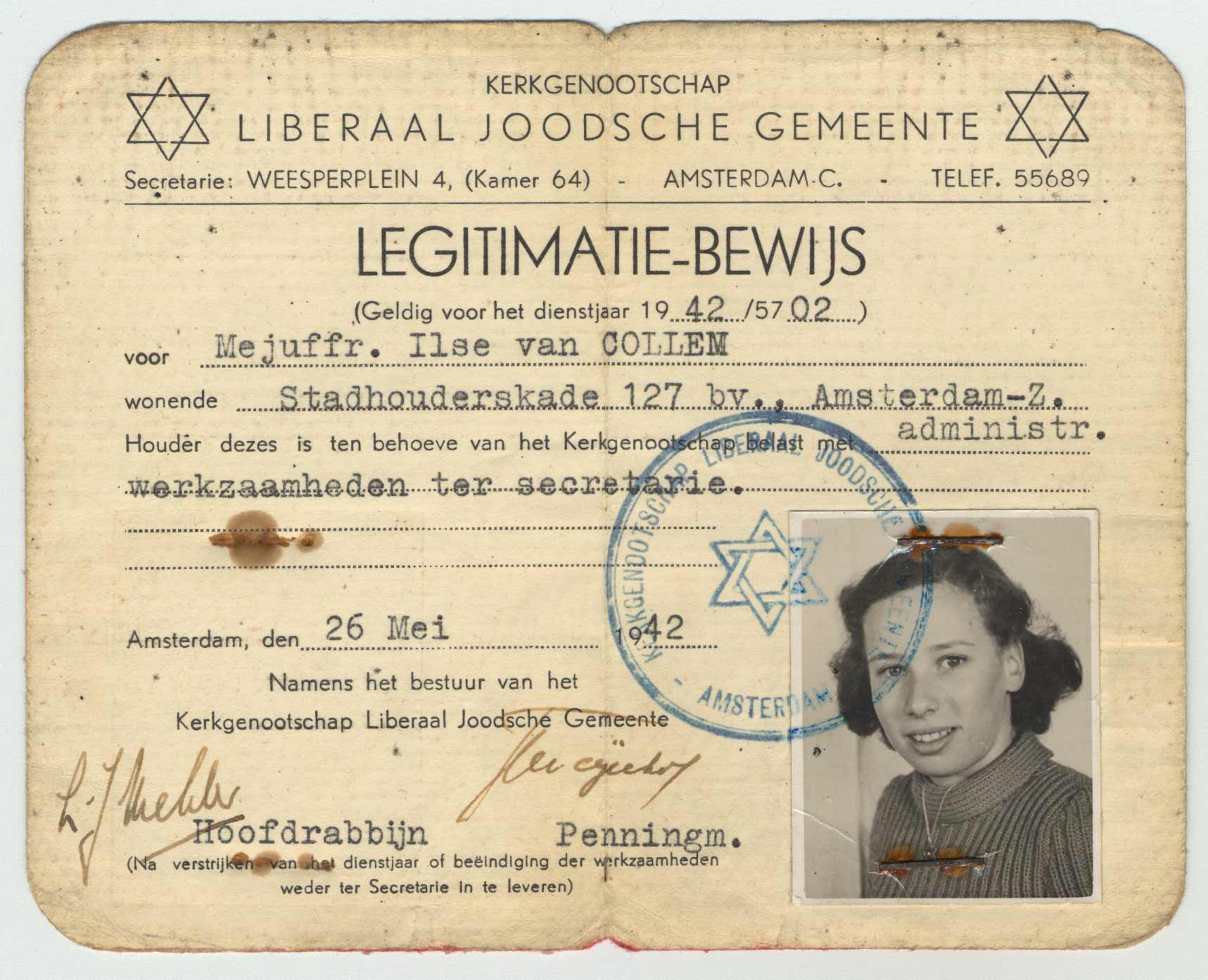
Identity card and work permit of Ilse van Collem issued by the Liberal Jewish Congregation on May 26, 1942.
Learn more about the history of the Holocaust
To learn more about the Holocaust and antisemitism, read the reference guides A Brief History of the Holocaust and A Brief History of Antisemitism in Canada. You can also consult the Testimony Analysis Sheet to help students learn about a survivor’s story.
Download the Educational Program
Secondary 1st Cycle - History and Citizenship Education
Grades 6 to 9 - Social Studies